Burst Pipe Water Cleanup
A burst pipe combines two problems at once — water to clean up, and a plumbing failure to repair. Handling both is what keeps it from happening again.
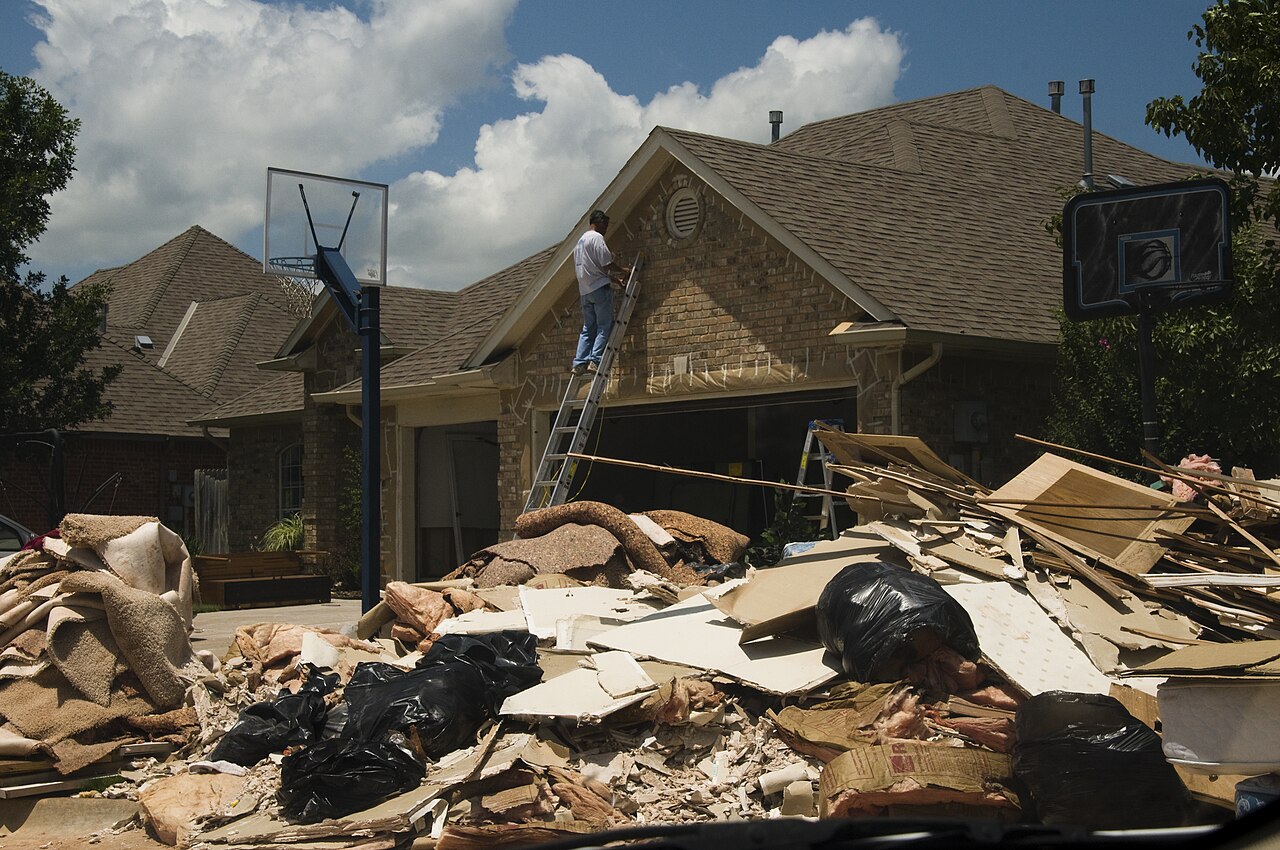
The first few minutes
When a pipe lets go, order of operations matters:
- Shut off the water. Close the main supply valve to stop more water from entering.
- Kill power if needed. If water is near outlets or the panel, shut off electricity from a dry location.
- Drain the line. Open a low faucet to relieve pressure and let the pipe finish draining.
- Document, then clean. Photograph the damage before you start removing water.
Why the source repair is part of cleanup
A burst pipe is different from a one-time spill because the failure point remains. Cleaning up the water without addressing the pipe leaves the same weak spot — a frozen section, a corroded joint, or an over-pressurized line — ready to fail again.
That is why burst-pipe work pairs water restoration with a plumbing repair. The restoration side dries the structure; the plumbing side replaces or repairs the failed section so the system holds.
Water travels further than you think
A pipe inside a wall or ceiling can release water that runs along framing and shows up rooms away from the break. What looks like a small stain can sit above saturated insulation and drywall.
This is why drying a burst-pipe loss relies on moisture mapping rather than only what is visible — finding the wet cavities before they turn into mold or sagging ceilings.
Primary safety sources
- CDCReentering Your Flooded Home Safely
- Never switch power on or off, or use an electric appliance, while standing in water.
- Have a certified electrician inspect the property before restoring power.
- Discard perishable food and use only safe water until authorities confirm the supply.
- CDCCarbon Monoxide Poisoning Basics
- Never run a generator inside a home, basement, or garage — even with doors open.
- Place generators outside, more than 20 feet from windows, doors, and vents.
- Install battery-backed carbon monoxide detectors near sleeping areas.
Frequently asked questions
Do I clean the water or fix the pipe first?
Stop the water first by closing the main valve, then relieve pressure and begin cleanup. The pipe repair and the structural drying then proceed together.
Why does the wall need to be opened?
Water from a pipe inside a wall soaks framing and insulation you cannot see. Opening the cavity lets it dry and prevents hidden mold.
How do I keep it from bursting again?
Address the underlying cause — insulate pipes prone to freezing, repair corroded sections, and have a plumber check the system pressure.
Is a small burst something I can handle alone?
You can stop the water and mop up the visible pool. If water reached walls, ceilings, or flooring, professional drying and a plumbing repair are usually needed.
Related restoration services
Understand the right restoration steps for your damage
Review what water, fire, storm, sewage, and mold restoration involves, and the steps that protect your property and your claim before any work begins.