Mold Remediation
Mold is a moisture problem first. Lasting remediation fixes the water source, then contains and removes the growth — rather than wiping it away and waiting for it to return.
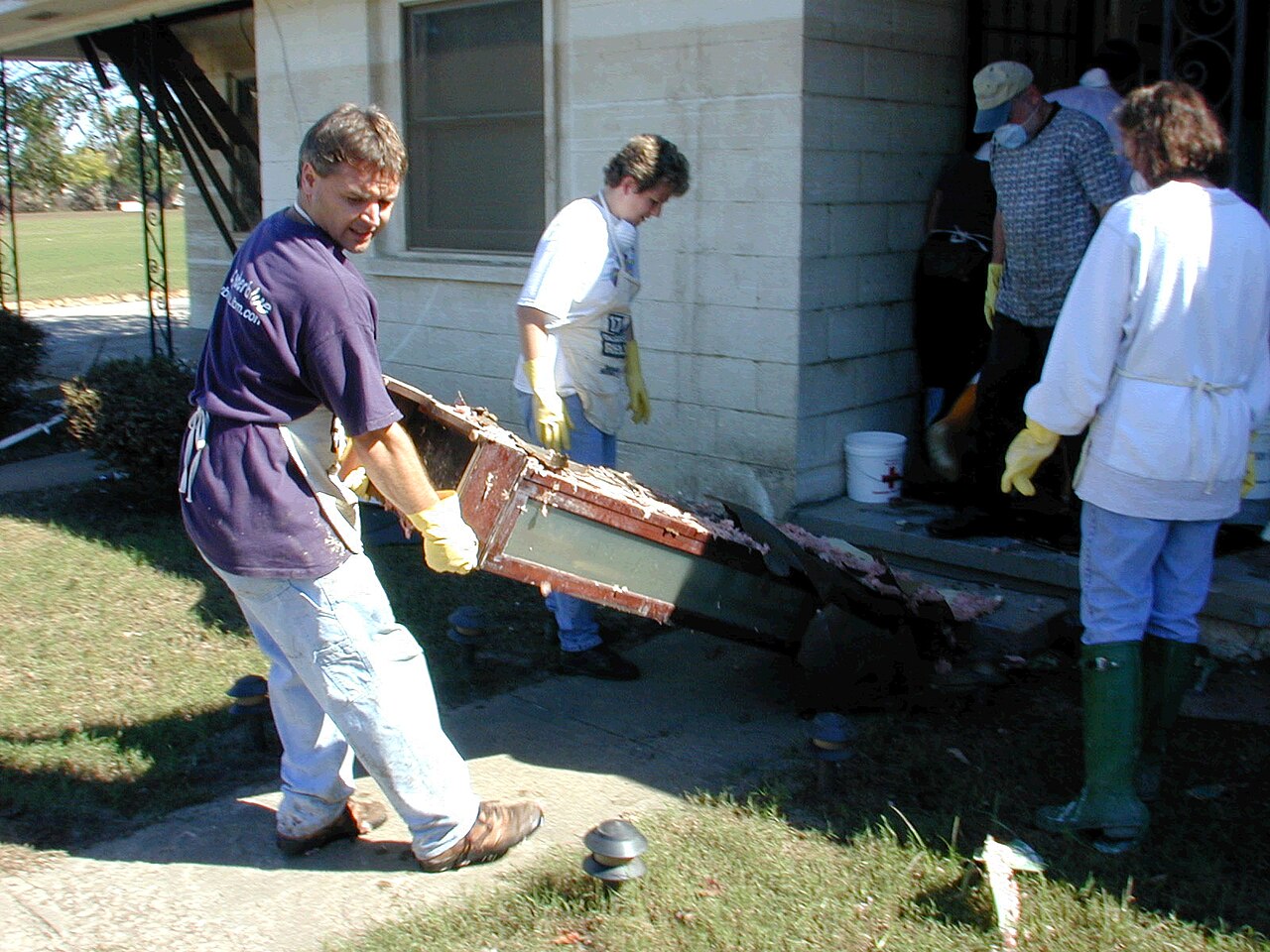
Fix the moisture, then the mold
Mold grows where materials stay damp, so remediation that ignores the moisture source is temporary. The first step is identifying why an area is wet — a leak, condensation, or lingering water from an earlier loss — and correcting it.
The EPA notes that drying wet materials within 24 to 48 hours usually prevents mold in the first place. Once growth is established, the aim shifts to removing it safely while keeping spores from spreading to clean areas.
How professional remediation works
- Assess and find the source. The moisture driving the growth is located and addressed.
- Contain the area. Barriers and controlled airflow keep spores from spreading during removal.
- Remove and clean. Moldy porous materials are removed; salvageable surfaces are cleaned and dried.
- Dry and verify. The area is dried and checked so conditions no longer favor regrowth.
What mold is telling you
Because mold follows moisture, it is often a symptom of a water problem that has not been fully resolved — behind a wall, under a floor, or in a basement that keeps getting damp.
Judging mold by color is not reliable, and testing has limits. The practical focus is straightforward: find and stop the water, then remove the growth safely.
Primary safety sources
The EPA and CDC publish clear, conservative mold guidance — worth reading before you start:
- US EPAA Brief Guide to Mold, Moisture and Your Home
- Drying wet materials within 24–48 hours usually prevents mold growth.
- Scrub mold off hard surfaces with detergent and water, then dry completely.
- Consider professional help for mold over roughly 10 square feet or where sewage is involved.
- CDCMold — Cleanup and Health
- Wear rubber boots, rubber gloves, and goggles during cleanup.
- Dry the home fully and quickly (within 24–48 hours) after flooding to limit mold.
- Never mix bleach with ammonia or other cleaners.
Frequently asked questions
Why does mold keep coming back after I clean it?
Because the moisture source is still there. Until the leak, condensation, or dampness is fixed, cleaned areas will tend to regrow mold.
How much mold can I clean myself?
The EPA suggests that hard-surface mold under roughly 10 square feet can often be cleaned with detergent and water and proper protection. Larger areas, or sewage-related mold, are better left to professionals.
Is bleach the answer for mold?
Cleaning with detergent and water and then drying is the EPA’s general approach for hard surfaces. If you use bleach, never mix it with ammonia or other cleaners, and ventilate the space.
Do I need a mold test?
Often not. If you can see or smell mold, the priority is fixing the moisture and removing the growth. Testing has limited value and does not replace cleanup.
Can moldy materials be saved?
Non-porous surfaces can usually be cleaned. Porous materials that stay moldy — like ceiling tiles and carpet — are generally removed.
Related restoration services
Understand the right restoration steps for your damage
Review what water, fire, storm, sewage, and mold restoration involves, and the steps that protect your property and your claim before any work begins.