Flooded Basement Cleanup
Basements collect water that has nowhere else to go — often around the very systems that make them dangerous to enter. Here is how to think about a flooded basement.
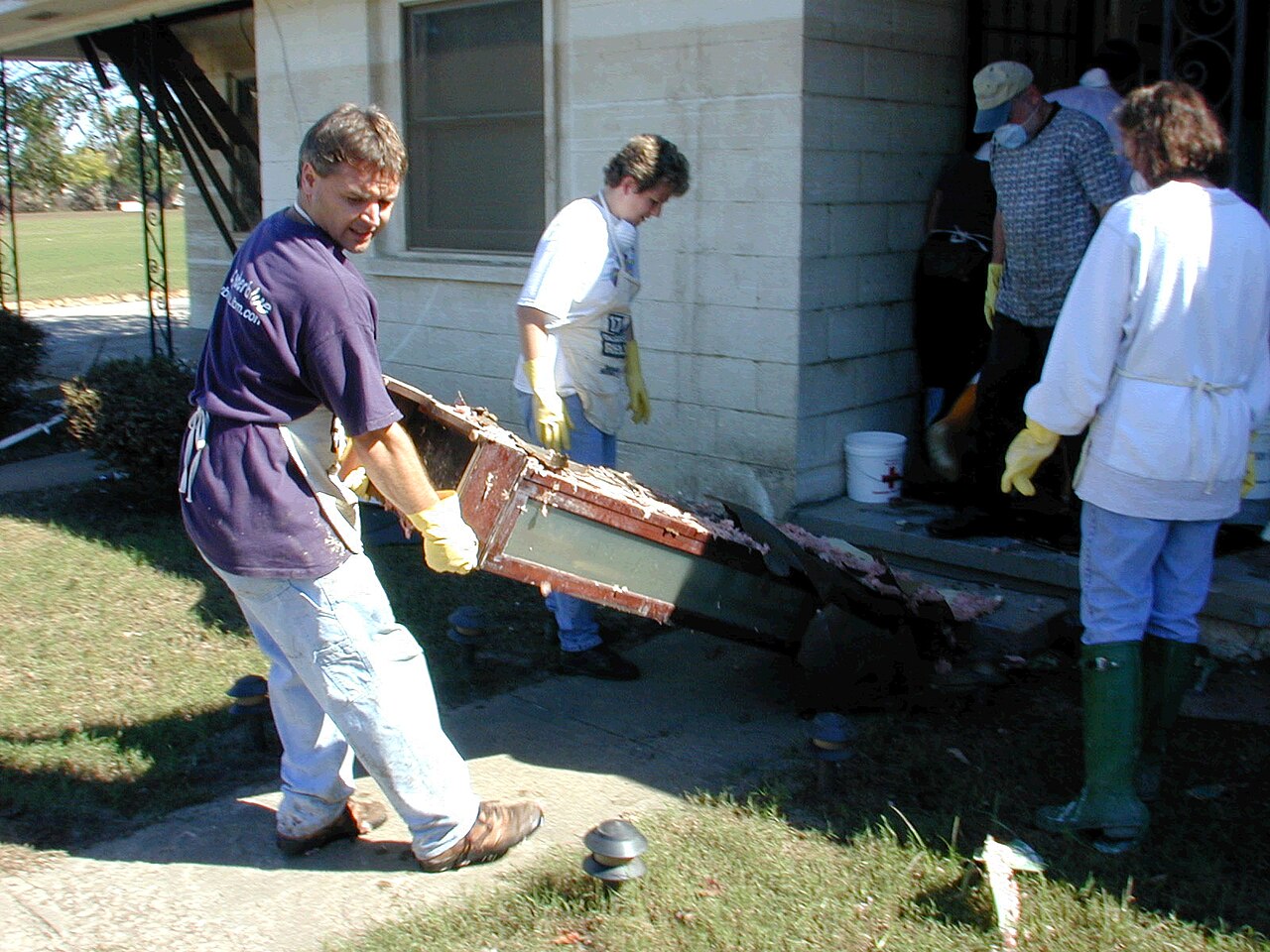
Why below-grade water behaves differently
Basement flooding is often driven by water pressure in the soil around and beneath the foundation. After heavy rain or snowmelt, that hydrostatic pressure can push water through cracks, cove joints, and floor drains — which is why a basement can take on water even when nothing inside has failed.
Because a basement is the lowest point, water lingers there and rises into whatever is stored against the walls and floor. Finished basements add drywall, insulation, and flooring that hold moisture and complicate drying.
How cleanup usually proceeds
- Confirm it is safe to enter. Power and contamination are checked before anyone steps into the water.
- Extract the water. Pumps clear the standing volume from the floor.
- Remove saturated materials. Wet drywall bottoms, insulation, and flooring are often cut out and discarded.
- Dry and dehumidify. Equipment runs until the slab, framing, and remaining materials read dry.
- Clean and treat. Surfaces are cleaned, with antimicrobial treatment where contamination or mold risk exists.
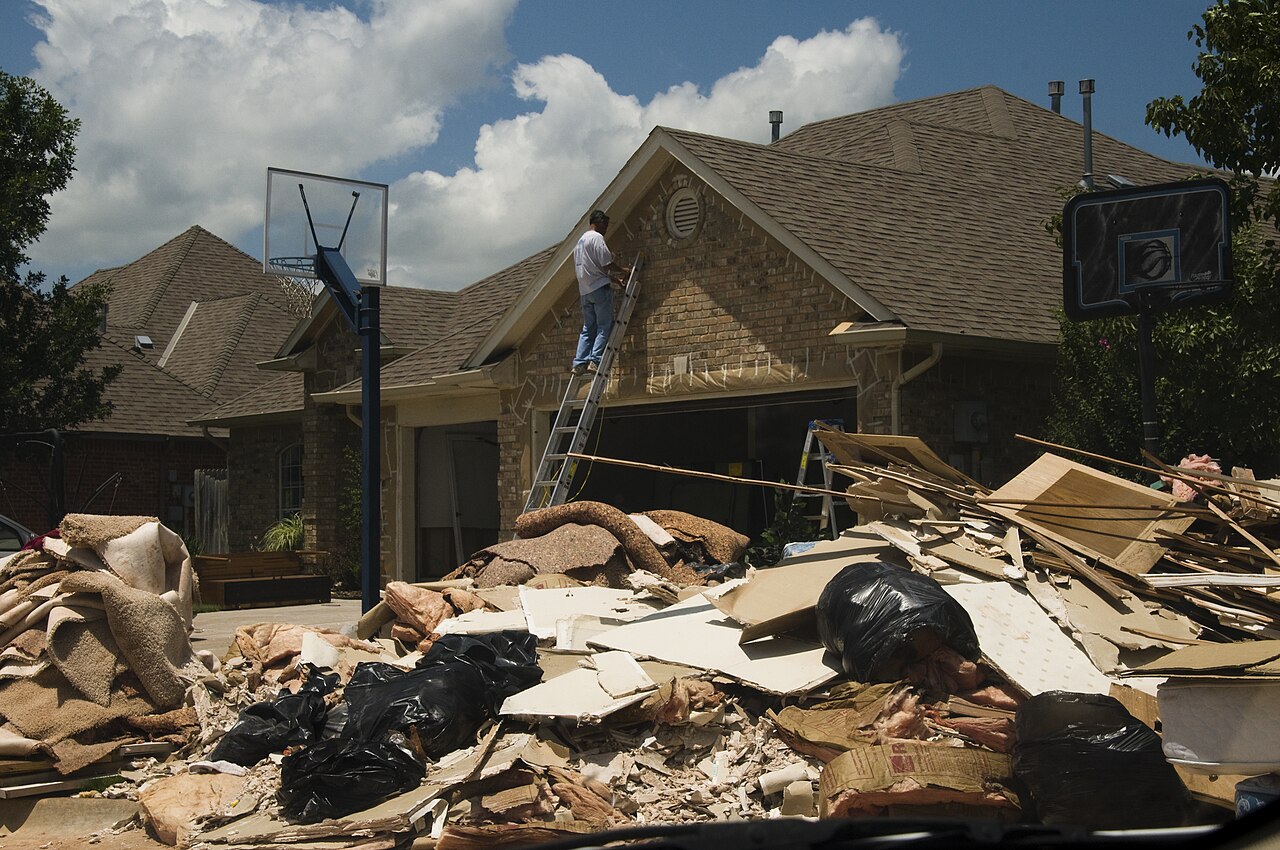
Preventing the next one
Cleanup addresses the water that got in; keeping it out is a separate conversation. Restoration professionals often note recurring entry points — a failed sump pump, grading that sends water toward the house, or a floor drain that backs up.
Documenting where the water appeared, and how high it rose, helps whoever you work with recommend sensible next steps and supports any insurance claim.
Primary safety sources
- CDCReentering Your Flooded Home Safely
- Never switch power on or off, or use an electric appliance, while standing in water.
- Have a certified electrician inspect the property before restoring power.
- Discard perishable food and use only safe water until authorities confirm the supply.
- US EPAFlood Cleanup to Protect Indoor Air and Your Health
- Use an N-95 respirator, non-vented goggles, gloves, long sleeves, and boots.
- Discard porous materials that cannot be cleaned and fully dried, such as saturated carpet and drywall.
- Never mix cleaning products or add bleach to other chemicals; run generators outside only.
- CDCGuidelines for Cleaning Safely After a Disaster
- When sewage is involved, wear rubber boots, rubber gloves, and goggles.
- Remove and discard drywall and insulation contaminated with sewage or floodwater.
- Never use bleach in a closed space — open windows and doors first.
Frequently asked questions
Is it safe to go into a flooded basement?
Not until power to the area is off and you know the water is not contaminated. Basements house electrical and utility equipment, so standing water there can be energized.
What causes a basement to flood without a burst pipe?
Often water pressure in saturated soil pushes water through foundation cracks, joints, and floor drains after heavy rain or snowmelt — separate from any plumbing failure.
Will the drywall and carpet need to come out?
Frequently, yes. Saturated drywall bottoms, insulation, and carpet pad tend to hold water and are usually removed rather than dried in place.
How is a basement dried if it has no windows?
With dehumidifiers and air movers running in a closed environment, measured with moisture meters until materials reach a dry standard.
Related restoration services
Understand the right restoration steps for your damage
Review what water, fire, storm, sewage, and mold restoration involves, and the steps that protect your property and your claim before any work begins.