Sewage Cleanup
A sewage backup is a health hazard, not just a mess. It calls for protective equipment, careful disposal, and thorough disinfection — handled with real caution.
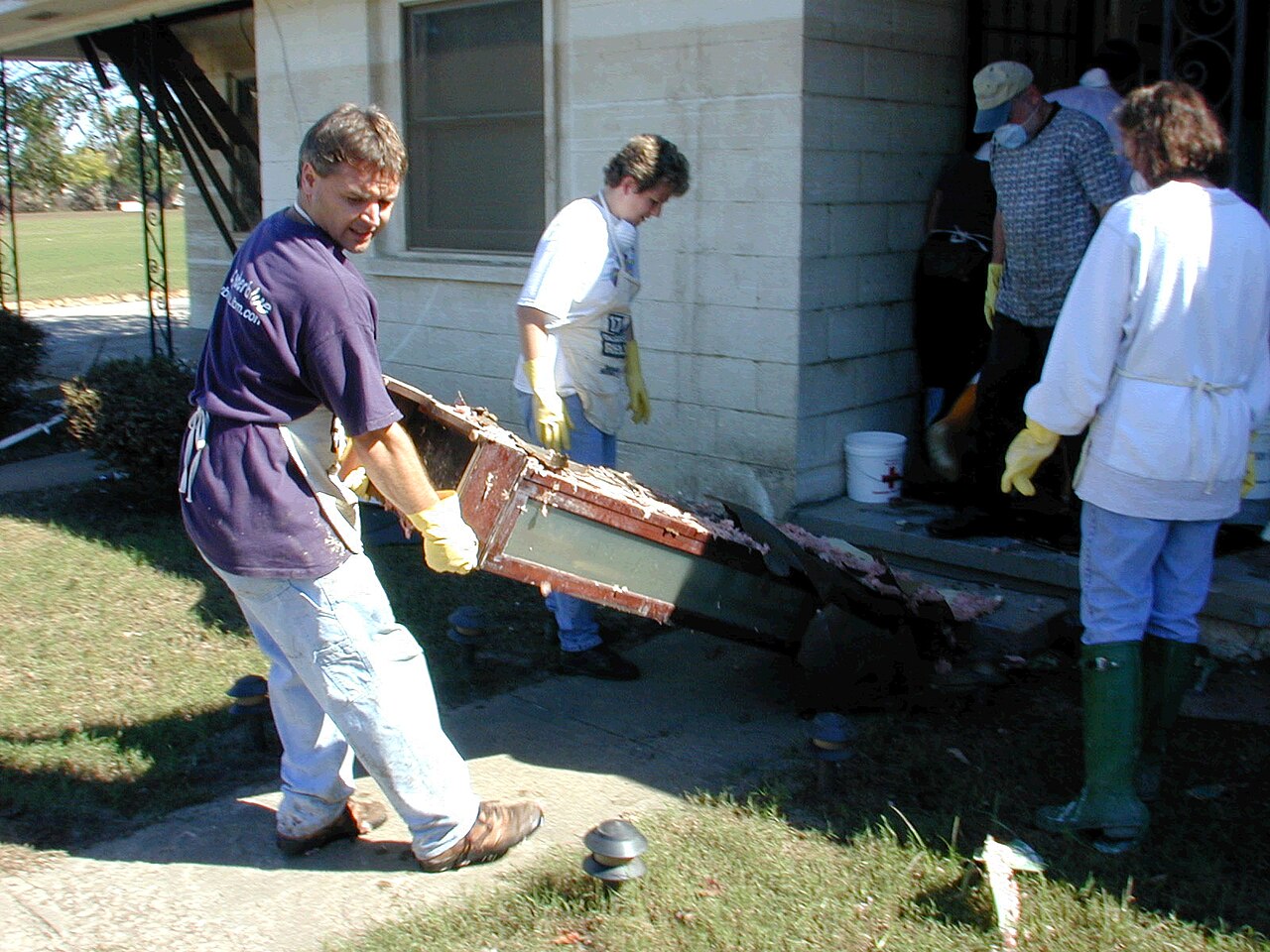
Why sewage cleanup is specialized
Sewage — “black” water — is the most hazardous category of water loss. It contains pathogens, so the goal is not only to remove the water but to disinfect everything it touched and safely dispose of what it contaminated.
That is why porous materials are treated conservatively. The CDC advises removing and discarding drywall and insulation contaminated by sewage rather than trying to clean them, because they cannot be reliably disinfected.
How professional sewage cleanup works
- Contain the area. The affected zone is isolated to limit the spread of contamination.
- Extract and dispose. Contaminated water and unsalvageable materials are removed and disposed of properly.
- Clean and disinfect. Remaining surfaces are cleaned and disinfected.
- Dry and verify. The structure is dried and checked before any rebuilding.
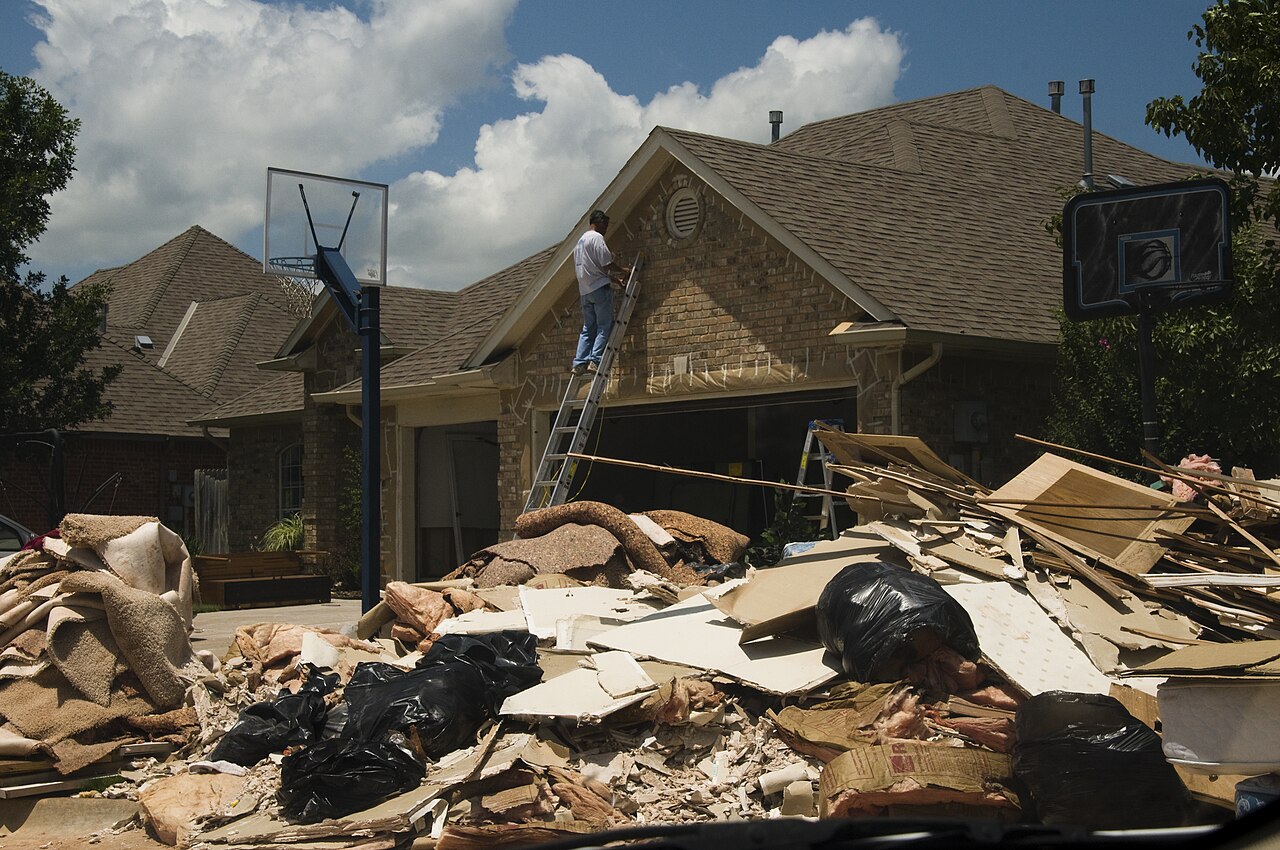
Disinfecting safely
When disinfectant is used, ventilation matters. The CDC cautions against using bleach in a closed space and against mixing bleach with ammonia or other cleaners, which can create toxic fumes.
These are the details that make sewage a job to approach carefully — the risk is biological and chemical, not just water on the floor.
Primary safety sources
- CDCGuidelines for Cleaning Safely After a Disaster
- When sewage is involved, wear rubber boots, rubber gloves, and goggles.
- Remove and discard drywall and insulation contaminated with sewage or floodwater.
- Never use bleach in a closed space — open windows and doors first.
- CDCReentering Your Flooded Home Safely
- Never switch power on or off, or use an electric appliance, while standing in water.
- Have a certified electrician inspect the property before restoring power.
- Discard perishable food and use only safe water until authorities confirm the supply.
- US EPAFlood Cleanup to Protect Indoor Air and Your Health
- Use an N-95 respirator, non-vented goggles, gloves, long sleeves, and boots.
- Discard porous materials that cannot be cleaned and fully dried, such as saturated carpet and drywall.
- Never mix cleaning products or add bleach to other chemicals; run generators outside only.
Frequently asked questions
Can I clean up a sewage backup myself?
Sewage is a biohazard, so cleanup is best left to experienced restoration professionals with the right protective equipment and disposal. Keep people and pets away from the area and avoid contact.
What has to be thrown away after sewage contact?
The CDC advises discarding porous materials contaminated by sewage — including drywall and insulation — because they cannot be reliably disinfected.
Is bleach the right disinfectant?
Bleach solutions are commonly used, but only with ventilation and never mixed with ammonia or other cleaners. Follow the CDC guidance on concentrations and safety.
Why treat sewage differently from a clean-water leak?
Sewage carries pathogens. The cleanup has to disinfect everything the water touched and safely dispose of contaminated materials, not simply dry the space.
Related restoration services
Understand the right restoration steps for your damage
Review what water, fire, storm, sewage, and mold restoration involves, and the steps that protect your property and your claim before any work begins.