Emergency Water Removal
When water is actively pooling, the priority is getting it out before it soaks deeper into the structure. This page covers the urgent first moves — and what not to do.
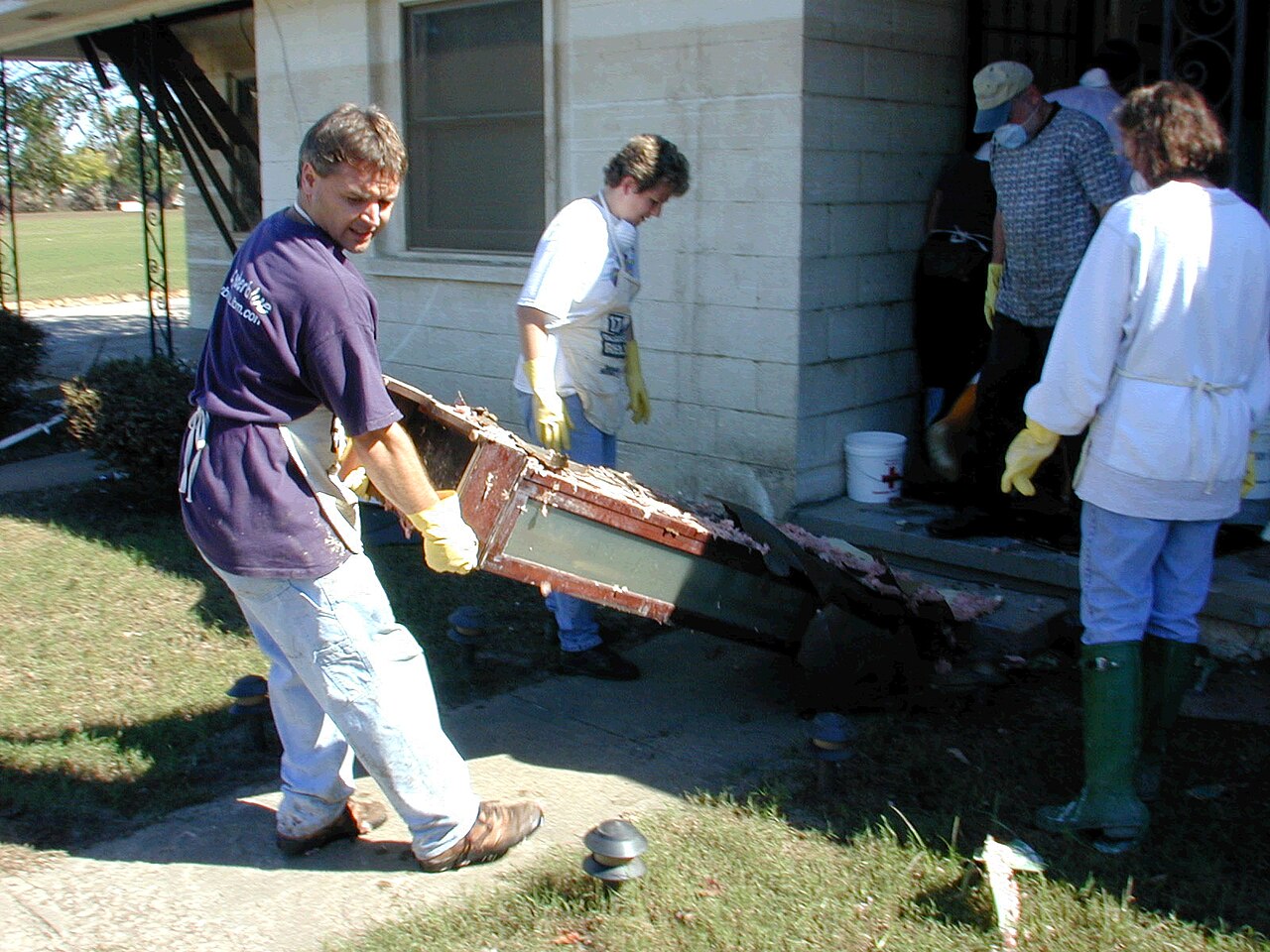
What “emergency water removal” means
Emergency water removal is the extraction step that happens before full restoration. It is about volume and speed: pumps and truck-mounted or portable extractors pull standing water out so drying can begin and so water stops migrating into adjoining rooms and lower floors.
It is not the whole job. Removing the water you can see is the start; the structure underneath still has to be dried and verified. But getting the standing water out quickly is what limits how far the damage travels.
What removal crews focus on first
- Safety check. Confirming electrical and structural conditions before entering the water.
- Extraction. Pumping and vacuuming standing water from floors and cavities.
- Contents. Moving furniture and belongings up and out of the wet zone.
- Setup for drying. Placing air movers and dehumidifiers so the structure can start drying immediately.
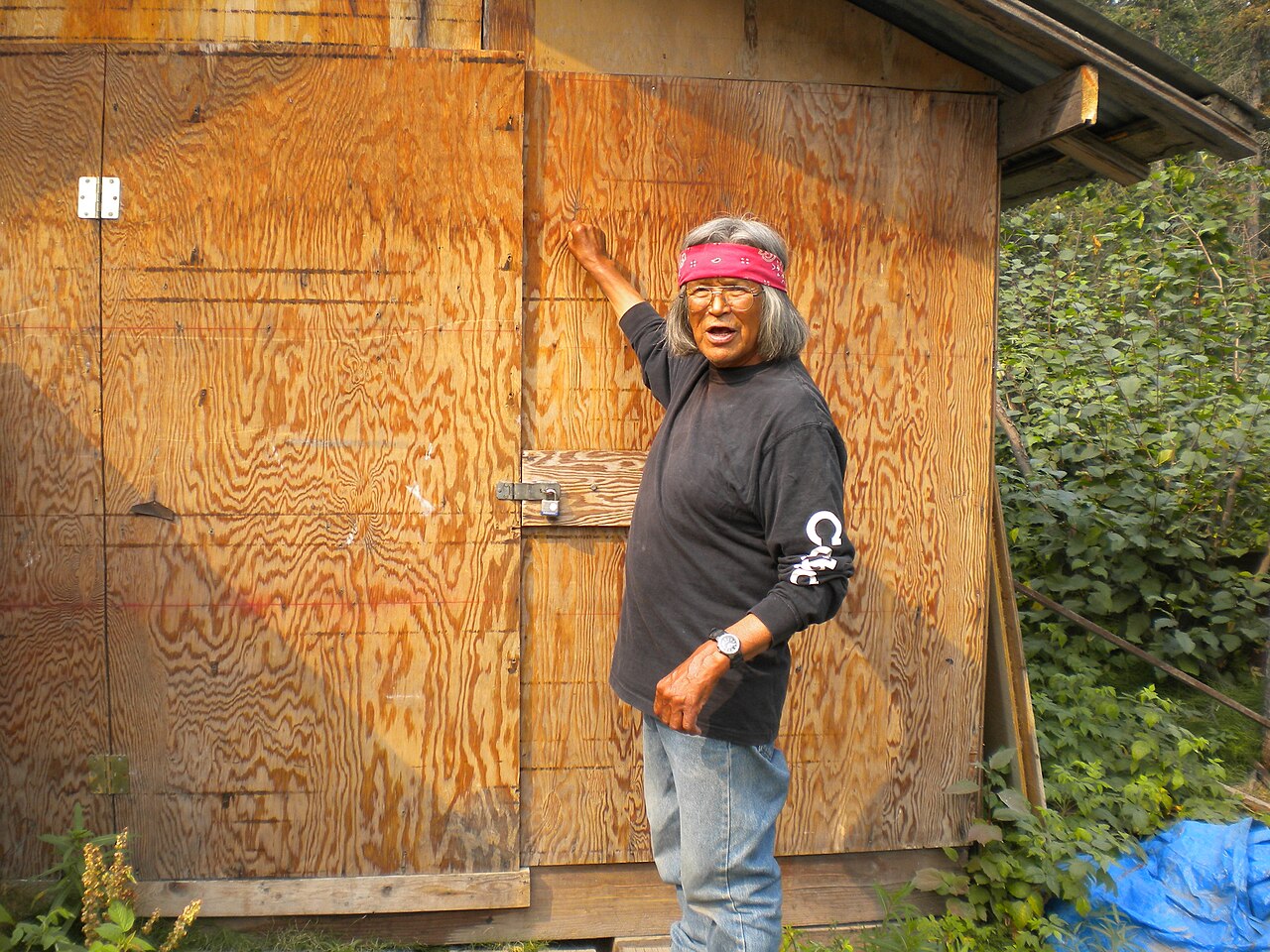
From removal to a dry structure
A high-water line on a wall is a reminder that water rises into materials well above the visible pool. After extraction, moisture meters guide where drying equipment goes and confirm progress.
Removal and drying are usually a continuous effort. The faster standing water is gone, the shorter the drying stage tends to be — and the more materials can often be saved.
Primary safety sources
- CDCReentering Your Flooded Home Safely
- Never switch power on or off, or use an electric appliance, while standing in water.
- Have a certified electrician inspect the property before restoring power.
- Discard perishable food and use only safe water until authorities confirm the supply.
- US EPAFlood Cleanup to Protect Indoor Air and Your Health
- Use an N-95 respirator, non-vented goggles, gloves, long sleeves, and boots.
- Discard porous materials that cannot be cleaned and fully dried, such as saturated carpet and drywall.
- Never mix cleaning products or add bleach to other chemicals; run generators outside only.
Frequently asked questions
Is water removal the same as water damage restoration?
No. Removal is the extraction of standing water. Restoration is the broader process that also includes drying, cleaning, and rebuilding what could not be saved.
Should I turn off the electricity myself?
Only if you can reach the panel from a dry location without standing in or near water. If there is any doubt, stay clear and let a professional handle it.
Can a wet/dry vacuum handle it?
A shop vacuum can help with a small, clean spill. Larger volumes, or water that has spread into walls and subfloor, need professional extraction and drying equipment.
How soon should extraction happen?
As quickly as it is safe. Standing water keeps soaking into materials, so faster removal generally means less damage and a shorter drying stage.
Related restoration services
Understand the right restoration steps for your damage
Review what water, fire, storm, sewage, and mold restoration involves, and the steps that protect your property and your claim before any work begins.